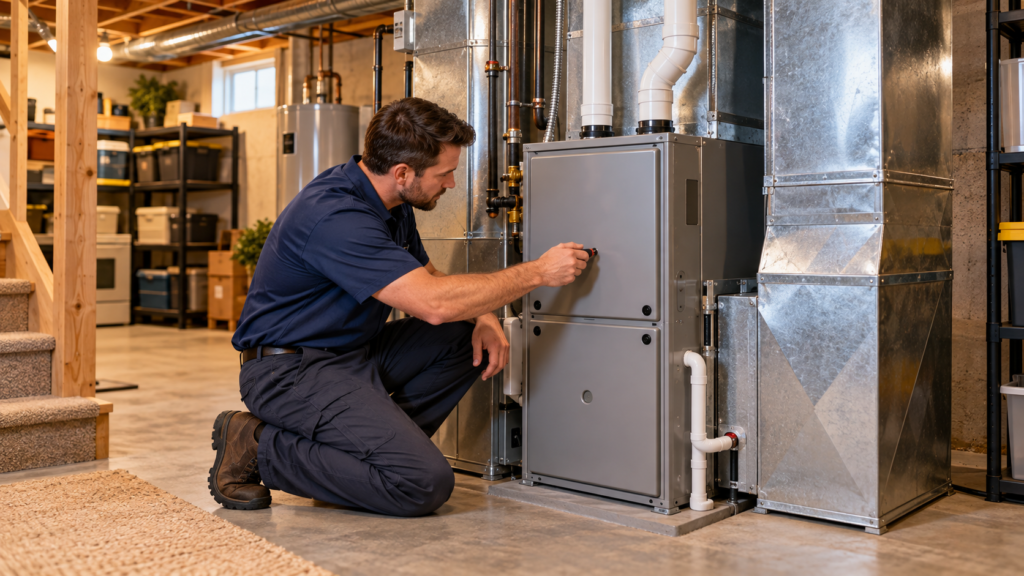
Searching for heating installation near me often starts with a frustrating problem: uneven temperatures, another repair bill, or a furnace that cannot keep your home comfortable. For homeowners and small business owners in Canonsburg, PA, replacing a heating system is a decision that affects your budget and daily comfort for years.
Route 19 Heating and Air Conditioning is a family owned business based in Canonsburg, offering heating and cooling installation, repair, and maintenance. This guide helps you approach a new installation with confidence, ask useful questions, and understand what belongs in a proposal.
Ready to discuss your project? Get Your Free HVAC Quote!
Let’s dive in…
Key Takeaways
• Compare installation scope, equipment, and warranties before choosing a contractor.
• A search for heating installation near me should lead to a property assessment.
• Ask what drives the recommended system size.
• Evaluate purchase price alongside expected operating costs.
• Discuss ductwork, venting, thermostat compatibility, and access before installation.
• Request a clear schedule and written project expectations.
• Plan for maintenance and support after the installation.
Start Your heating installation near me Search With Local Expertise
Finding a nearby installer is useful, but proximity is only the beginning. Look for a contractor who asks about your property, explains the proposed work, and gives you a clear way to follow up. Those conversations reveal more than a quick price quoted without seeing the equipment.
Before requesting an estimate, describe what prompted your search. Is the current system unreliable? Does an upstairs bedroom stay cold? Are you replacing equipment during a renovation? A small business may also need to explain its operating hours and which areas must remain comfortable during the project.
Route 19’s Canonsburg location makes it a local starting point for those discussions. Ask Chris Grim about your installation goals and confirm that your address is within the service area. Bring your questions to the appointment, including concerns about cost, disruption, and ongoing support. A useful assessment should help you understand the proposed solution before you commit.
Recognize When Replacement Deserves a Serious Look
An older heating system does not automatically need replacement. The more useful question is whether continuing to repair it still makes sense for your property, comfort needs, and budget. Gather the following information before an assessment so the discussion goes beyond the age printed on an equipment label.
• Recent repair invoices and any recurring problems.
• Rooms that remain uncomfortable despite normal thermostat settings.
• Changes in heating bills, usage, or occupancy.
• The current system’s model, approximate age, and maintenance history.
• Planned renovations, additions, or changes to how the building is used.
Ask for an explanation of the current problem and the available options. Some comfort complaints may involve controls or air distribution rather than equipment replacement alone. You should understand why a new system is being recommended and which problems it is expected to address. That gives you a practical basis for comparing the proposed investment with another repair.
Ask How Your New Heating System Will Be Sized
Heating capacity should fit the building’s actual needs. Ask whether the recommendation is supported by a heating load calculation and what information goes into it. Windows, insulation, building dimensions, and air leakage can influence the result. Repeating the old equipment’s size without explanation leaves an important question unanswered.
The U.S. Department of Energy identifies correct equipment sizing and component matching as parts of quality HVAC installation. That means the installation discussion should address how the selected equipment fits the property, rather than focusing only on a model’s advertised capacity.
You can make the assessment more useful by mentioning changes since the existing system was installed. New windows, an addition, or insulation improvements may affect the recommendation. Ask the contractor to explain the proposed capacity in plain language and identify any assumptions. Keep that information with your estimate so you can compare proposals that recommend different equipment sizes.
Compare Heating Options for Your Property
Before choosing equipment, ask which heating options fit your existing infrastructure and priorities. Your available fuel, electrical service, ductwork, equipment location, and budget help shape that conversation. The Department of Energy describes furnaces, boilers, and heat pumps among the available heating technologies, each serving a different system arrangement.
A replacement proposal should explain why its recommended option fits your situation. If you want to explore a different technology, ask what additional work would be required and whether the contractor installs and supports it. Avoid assuming that every option can use the same connections or distribution system.
For a Canonsburg homeowner, useful priorities might include consistent comfort, manageable upkeep, and a realistic project budget. A business owner may also prioritize scheduling and access. Discuss those priorities openly. The goal is an understandable recommendation, including any limitations, rather than a long equipment list that leaves you to work out the differences alone.
Get an Itemized Heating Installation Near Me Estimate
A clear estimate helps you understand what you are buying and where additional costs might arise. Before comparing totals, request enough detail to identify the equipment, installation work, and responsibilities included in each proposal. Otherwise, two prices may describe different projects even when both are called heating installation.
• Equipment manufacturer, model, capacity, and listed efficiency.
• Removal and disposal of the existing heating equipment.
• Included duct, venting, electrical, and control work.
• Permit responsibilities and inspection arrangements where applicable.
• Labor coverage, equipment warranty information, and payment terms.
• Exclusions and how additional work requires your approval.
Ask whether the quoted price is fixed for the documented scope or subject to identified conditions. For an advertised starting offer, request the qualifying equipment and a complete installed price for your property. That lets you evaluate the actual project rather than an entry price alone. Keep the proposal in writing and ask about any unfamiliar terms before accepting it.
Evaluate Efficiency Alongside the Installed Price
Efficiency matters, but the highest listed rating does not automatically make an option the best financial choice for every property. Ask the installer to explain how the proposed equipment compares with your current system and what assumptions support any operating cost estimate.
For furnaces and boilers, AFUE describes fuel conversion efficiency. It does not tell you the entire cost of heating your building. Weather, usage, energy prices, and the building itself also affect bills. Treat projected savings as an estimate with stated assumptions, rather than a guaranteed reduction in monthly spending.
Compare the additional purchase cost with the benefits that matter to you. Ask whether a different model changes comfort features, maintenance requirements, or installation scope. If budget is your main constraint, say so early. Call/Text 724-328-4124 Today! to discuss your priorities with Route 19 and request a proposal that makes those tradeoffs clear.
Include Ductwork and Airflow in the Conversation
Replacing heating equipment is also an opportunity to discuss how heat reaches the rooms you use. Before installation, identify existing comfort concerns and ask whether the proposal includes evaluating the air distribution system. This helps establish which issues the contractor will investigate and which work falls outside the equipment replacement.
• Describe rooms that are consistently warmer or colder than others.
• Mention unusual airflow noise or weak airflow at particular registers.
• Ask whether existing duct connections need modification.
• Confirm how the filter will remain accessible for routine care.
• Request a separate explanation of any recommended duct repairs.
The Department of Energy includes adequate airflow and proper duct sealing in its quality installation guidance. Ask how those considerations apply to the proposed system. Do not assume replacing the furnace will resolve every uncomfortable room. A proposal that identifies both the equipment work and any distribution concerns gives you a clearer picture of the expected result.
Prepare for Installation Day Before Work Begins
A little preparation can make installation day easier for your household or business. Ask the contractor which areas need to be accessible, where the crew will enter, and whether anything must be moved before arrival. Confirm those details before the scheduled date so you have time to make arrangements.
Discuss the expected installation window and any anticipated interruption to heating. Ask how the team will communicate if the project takes longer than expected. For a business, explain customer hours, restricted areas, and any access requirements. For a home, make arrangements for pets and keep the work area clear of personal belongings.
Confirm who should be available to answer questions during the project and receive the final walkthrough. Avoid moving heavy equipment or disconnecting anything yourself. The most useful preparation is straightforward: provide agreed access, understand the schedule, and establish a reliable contact. That helps the installation proceed with fewer preventable interruptions.
Review Testing, Controls, and Warranty Details
Installation should finish with an explanation of how the new system operates and what documentation you should keep. Ask the contractor what startup checks are required for your equipment and how completion will be documented. Manufacturer instructions should guide the work, including system setup and testing.
During the walkthrough, have the installer demonstrate thermostat operation and explain normal settings. Ask where the filter is located, what replacement specifications apply, and which maintenance tasks belong to a professional. If the system behaves unexpectedly, you should know whom to contact and what information to provide.
Before the installer leaves, request the information you will need for future care and service.
• Equipment model and serial numbers.
• Manuals and thermostat operating instructions.
• Equipment warranty and labor coverage terms.
• Product registration responsibilities and deadlines.
• Final invoice and service contact information.
Keep these records together so they are easy to find if service is needed later.
Choose Heating Installation Near Me With Ongoing Support in Mind
A heating installation decision should include what happens after the crew leaves. Before accepting a proposal, ask how service requests are handled and whether the installer can provide routine maintenance for the equipment. Clear expectations are especially useful when you are replacing a system you have relied on for years.
Route 19 offers installation, repair, and maintenance, so you can discuss those needs during the same consultation. Ask about recommended care, appointment scheduling, and available service options for your property. Confirm current terms directly rather than assuming a maintenance visit or extended coverage is included with every installation.
Keep your installation records together and note any care instructions provided during the walkthrough. For homeowners, that makes future service conversations easier. For business owners, it gives staff a clear point of contact. Choosing with ongoing support in mind helps you evaluate the full relationship, alongside the equipment and initial installation price.

Frequently Asked Questions
Q: How do I choose heating installation near me in Canonsburg, PA?
A: Start with a contractor who assesses your property, explains the recommended equipment, and provides a written scope. Compare installation details, warranty terms, communication, and service support. Confirm that the company serves your address before scheduling.
Q: How much does heating installation near me cost?
A: The price depends on equipment, capacity, site access, and required installation work. Request an itemized estimate for your property. Ask Route 19 about the advertised starting offer of $2,199, its current availability, qualifying equipment, and included work.
Q: How long does heating installation take?
A: Timing depends on the project and required modifications. Ask for an estimated installation window and expected heating interruption after the property assessment. Confirm how scheduling changes will be communicated.
Q: Should I repair my furnace or install a new heating system?
A: Ask for a diagnosis and compare the repair cost, recurring problems, equipment condition, and replacement proposal. Age alone does not settle the decision. Request an explanation of why replacement is recommended and what it is expected to improve.
Q: What should I ask about energy efficiency?
A: Ask which efficiency rating applies to the equipment and how any projected savings were calculated. Compare operating cost assumptions alongside installed price, comfort features, and maintenance requirements. Actual bills depend on more than the equipment rating.
Q: Can my existing thermostat stay with a new heating system?
A: Ask the installer to verify compatibility with the proposed equipment. Confirm whether the estimate includes retaining, replacing, or upgrading the thermostat and whether all proposed functions will be supported.
Q: How should I prepare my home or business for installation?
A: Confirm access requirements and scheduling with the contractor. Clear the agreed work area, secure pets, and arrange for someone to receive the walkthrough. Business owners should also explain operating hours and restricted areas.
Q: Will a new heating system fix uneven temperatures?
A: It may help, but the cause needs assessment. Ask the contractor to investigate equipment sizing, airflow, and other relevant conditions. Confirm which corrective work is included before assuming replacement alone will solve the problem.
Q: What maintenance should I plan after installation?
A: Follow the equipment manufacturer’s instructions and the installer’s care guidance. Ask about filter checks, professional service, and warranty requirements. Route 19 also offers heating and cooling maintenance; confirm options for your equipment.
Q: How do I request a heating installation quote from Route 19?
A: Call or text 724-328-4124, or use the booking link in this article. Share your Canonsburg address, current equipment, and project goals. Confirm appointment availability and ask what information to have ready.
Your next search for “heating installation near me” can lead to a clearer decision when you know what to ask. Focus on a property assessment, an understandable proposal, and realistic expectations for comfort, cost, and ongoing care.
For your Canonsburg home or small business, start a conversation with Route 19 Heating and Air Conditioning. Ask Chris Grim about your installation needs and the advertised New Heating and Cooling System Starting at $2,199 offer. Confirm current availability, qualifying equipment, and the full scope and price for your property.
Schedule Your Heating & Cooling Service Now!